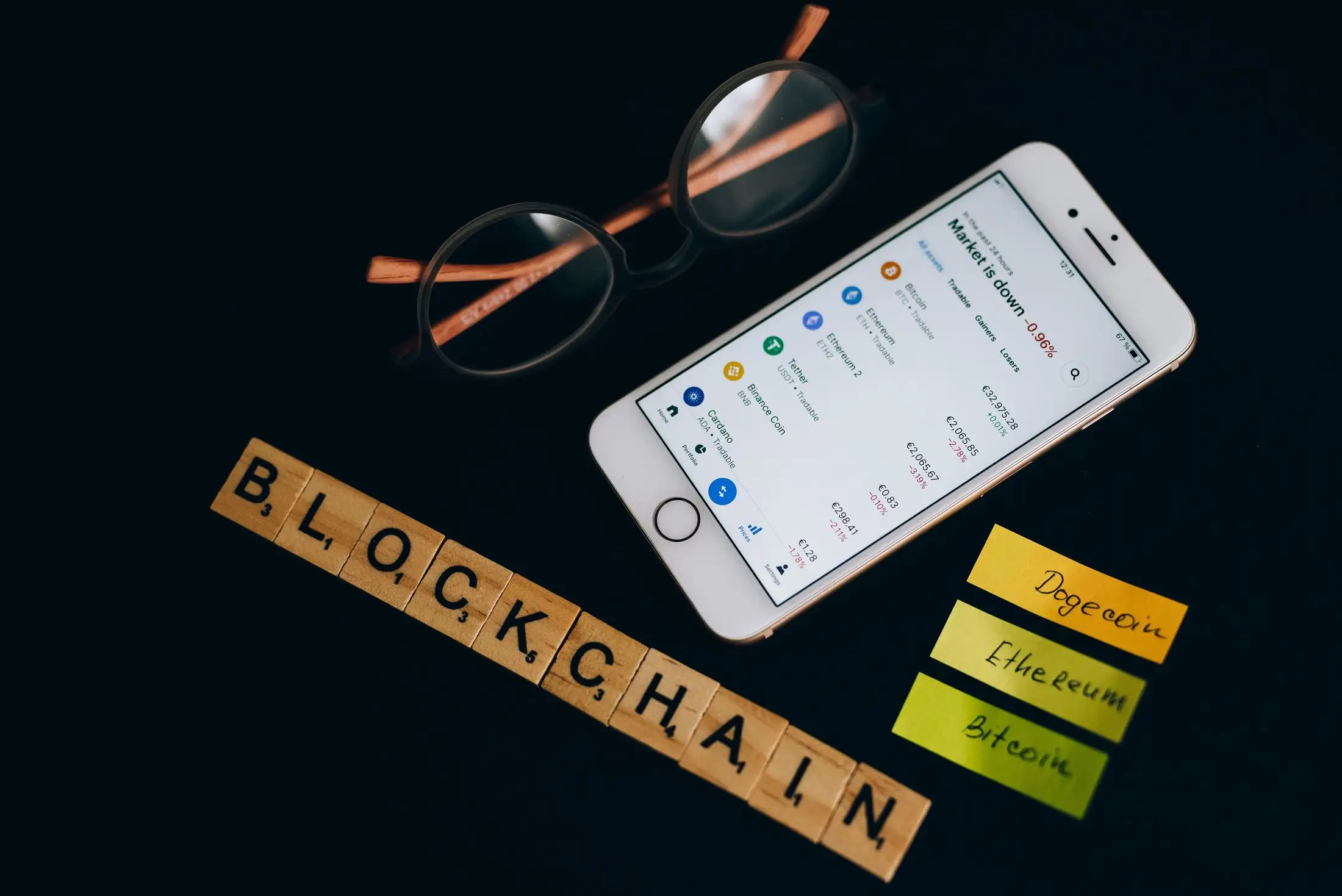
Buying crypto in the UAE has become easy: a VARA-licensed app, an Emirates ID scan and an AED bank transfer, and you are done in an afternoon. The harder question comes afterwards. Should your coins stay on the exchange, move to an app on your phone, or go onto a hardware device in a drawer at home? The answer changes with the amount, how often you trade, and how comfortable you are being your own bank.
This guide is the decision we would walk a friend through over coffee in Dubai. It explains the four wallet types in plain language, names the hardware wallets you can buy from official sellers in the UAE (and where to avoid buying them), covers what UAE rules mean when you withdraw to your own wallet, and finishes with two very local problems: keeping a recovery phrase safe in 45°C summers, and making sure your family can access your crypto if something happens to you.
Hot vs cold wallets in plain language
A is any wallet whose keys sit on a device connected to the internet — a phone app, a browser extension, or your exchange account. Hot wallets are convenient: you can send USDT to a friend in seconds or move funds back to an exchange when you want to sell. The trade-off is exposure. Malware on your laptop, a phishing link in WhatsApp or a fake app can all reach a hot wallet.
means the keys never touch an internet-connected device. In practice, for individuals, that means a : a small device that signs transactions internally and only sends the signed result to your phone or computer. Even if your laptop is infected, an attacker cannot move your coins without the physical device and its PIN.
A practical split many UAE residents use: keep a “spending” amount — say what you would carry in a wallet in cash — in a hot wallet or exchange, and keep long-term savings in cold storage. If the thought of losing the amount on your phone keeps you awake, it is too much for a hot wallet.
Custodial vs self-custody: who actually holds your coins
The second distinction matters even more. With , a company holds the keys on your behalf. Your exchange balance is a promise from that company, much like a bank balance. With , you hold the , usually backed up as a 12- or 24-word , and nobody else can move or freeze the funds.
| Exchange custody | Self-custody (app or hardware) | |
|---|---|---|
| Who holds the keys | The platform | You |
| Forgotten password | Recoverable via support | Only the seed phrase recovers it |
| Platform failure or freeze | Your funds are affected | Not affected |
| Trading and AED withdrawal | Instant | Need to send back to an exchange first |
| Main risk | Company failure, account freeze | Losing the seed phrase, scams |
Neither model is “correct”. Self-custody removes company risk but makes you fully responsible; there is no helpline that can restore a lost phrase. Custody removes that burden but adds company risk. The question to ask is which risk you are better equipped to manage.
Exchange custody and VARA custody licensees
If you leave crypto on a platform, the licence it holds matters. In Dubai, exchanges such as Binance FZE, OKX Middle East and Crypto.com (Foris DAX Middle East) appear on the VARA public register with exchange and broker-dealer activities, and VARA’s rulebooks set requirements for how licensed firms handle client assets and client money. That is meaningfully better than an offshore app with no local supervisor — but a licence is not a deposit guarantee, and licensed firms have still been fined; VARA fined CoinMENA FZE in June 2026 over anti-money-laundering failures, for example.
VARA also licenses dedicated custodians. The register shows custody licences for firms such as Hex Trust MENA, Komainu MEA, BitGo Custody MENA, Bitpanda Custody MENA and, notably, a bank: Zand Bank PJSC (VL/2024/12/001). These mostly serve institutions, family offices and the platforms themselves rather than individual walk-in clients, so for most residents the realistic choice is between exchange custody and self-custody.
Before trusting any platform with a large balance, look up its exact legal entity on the register, check which activities it is licensed for, and read our comparison of licensed crypto exchanges in the UAE.
Hardware wallets you can buy in the UAE
The single most important rule with hardware wallets is where you buy them. A device bought from a marketplace third-party seller can arrive tampered with, or with a “pre-filled” recovery card that lets the seller empty your wallet later. Buy only from the manufacturer or an official reseller, and never use a seed phrase that came in the box.
| Device | Official UAE route | Notes |
|---|---|---|
| Ledger | Virgin Megastores, Shift, Noon, DXB, Dubai Duty Free, Sharaf DG, Amazon UAE | 7 official resellers |
| Trezor | Amazon UAE, Lime Concepts, Phoenix, Virgin Megastore | trezor.io also ships to the UAE |
| Tangem (ADI Chain edition) | Virgin Megastores across the UAE | Card-style wallet, 80+ networks |
Ledger. Ledger’s official reseller list names seven sellers in the UAE: Virgin Megastores, Shift Electronics, Noon, DXB (dxb.net), Dubai Duty Free, Sharaf DG and Amazon UAE (the Ledger store at amazon.ae/ledger). On Noon and Amazon, buy from the Ledger storefront itself, not from a third-party seller on the same marketplace. Prices move with promotions, so compare the retailer’s current price with ledger.com. Our Ledger review covers the models in more detail.
Trezor. Trezor’s reseller directory lists four UAE sellers: Amazon UAE (Trezor’s own storefront), Lime Concepts, Mega Phoenix Electronics (phoenix.store) and Virgin Megastore. The UAE is also in the trezor.io checkout, so the official shop ships here; customs duties may apply. Be wary of other local listings that claim to be “official Trezor UAE”.
Tangem. Tangem makes card-shaped hardware wallets that you tap against your phone. According to WAM, a co-branded ADI Chain × Tangem edition went on sale at Virgin Megastores across the UAE in July 2026, supporting more than 80 networks including bitcoin, Ethereum and DDSC, an AED-referenced stablecoin on ADI Chain. Tangem also ships to the UAE directly.
For SafePal and Ellipal we found no UAE resellers, so the same rule applies: buy direct from the manufacturer.
Software wallets: Trust Wallet, MetaMask and Exodus
Software wallets are free self-custody apps. They make sense for smaller balances and for anyone who uses DeFi, NFTs or several blockchains, and they pair well with a hardware wallet for signing.
Trust Wallet is a mobile-first multi-chain wallet popular with people who hold stablecoins on several networks. MetaMask is the standard browser-extension and mobile wallet for Ethereum and compatible networks, and the default way to connect to most decentralised apps. Exodus is a desktop and mobile wallet with a polished interface that many beginners find approachable. We found no UAE-specific restrictions on any of them. If you want an Arabic interface, Trust Wallet offers it; MetaMask has Arabic in the browser extension but not the mobile app; Ledger Wallet (formerly Ledger Live), Exodus and the Tangem app have no Arabic. See our reviews of Trust Wallet and MetaMask for set-up notes.
Three habits matter more than which app you pick. Download only from the official app store listing or the project’s own website, because fake wallet apps are a common scam in the region. Never type your seed phrase into a website, a “support” chat or a form — legitimate wallets never ask for it. And keep the phone itself protected with a strong passcode and on the accounts linked to it.
The travel rule when you withdraw to your own wallet
When you send crypto from a VARA-licensed exchange, UAE rules follow the transfer. Under VARA’s Compliance and Risk Management Rulebook, for transfers above AED 3,500 the sending platform must obtain and hold originator and beneficiary information — names, wallet addresses and the originator’s address. This is the (VARA rulebook).
In practice, withdrawing to your own hardware or app wallet may trigger extra steps: a pop-up asking whether the address belongs to you, a request to name the wallet provider, or sometimes a verification such as signing a message or sending a small test amount. VARA’s text does not set out a detailed self-hosted-wallet procedure, so each exchange implements it a little differently. Answer honestly and keep a record of your own addresses — it also makes later bank questions about source of funds much easier.
Related guide Ledger in the UAEStoring a seed phrase in UAE heat and humidity
Most seed-phrase advice is written for cool, dry climates. The UAE adds its own threats. Paper in a car glovebox, on a balcony or in a humid storeroom can fade, warp or grow mould over a few summers. Ink on thermal paper can disappear entirely. And a hardware wallet with a built-in battery should not live in a parked car in August.
What works better:
- Metal backups. Stamp or engrave the words onto a stainless-steel plate. Steel shrugs off heat, humidity and even a house fire far better than paper or laminated cards.
- Indoor, climate-controlled storage. A small fire-resistant safe at home, kept in an air-conditioned room, is a reasonable primary location.
- A second location. A sealed copy in a bank safe-deposit box or with a trusted relative in another emirate protects you if one location is lost. Many UAE residents travel for long periods, so think about what happens if you are abroad when you need access.
- No photos, no cloud. Don’t photograph the words, email them to yourself or save them in notes apps that sync to the cloud.
If you want stronger protection, some wallets support an optional passphrase (an extra word that is not stored with the seed). It defends against someone finding your backup, but if you forget the passphrase the funds are gone, so only use it if you have a reliable way to record it separately.
Inheritance planning for crypto in the UAE
This is the part most people skip. Self-custody means that if you die or become incapacitated and nobody knows how to access your wallet, the coins are effectively lost. With an exchange account, your family has at least a company to contact, though they will face identity and probate checks.
A sensible minimum: write a short letter, stored with your will or important papers, that explains what wallets you have, which devices or apps they live on, and where the recovery backups are — without writing the seed phrase itself into the will, which can become a document many people see. If you have a UAE-registered will, ask the lawyer who drafts it how to refer to digital assets. Expats should also check how their home country treats crypto in an estate. Our guide on crypto for expats in the UAE touches on cross-border issues.
How we would choose a crypto wallet in the UAE
If you hold the equivalent of a few thousand dirhams and trade often, a VARA-licensed exchange plus a reputable phone wallet is enough. Once your holdings reach an amount you would be upset to lose — for many people somewhere around AED 10,000 to 20,000 — a hardware wallet from an official seller is usually worth its price (entry-level models cost less than touchscreen ones like the Ledger Flex; check the official reseller’s current price). Keep a spending balance hot, savings cold, and test every new setup with a small amount first.
Whichever route you choose, the biggest risks are rarely technical. They are fake apps, fake support agents and people asking for your seed phrase — see our crypto scams guide. Crypto assets are volatile and can lose value in part or in full, and no wallet protects you from that.