

The United Arab Emirates is one of the few places on earth where buying crypto is both easy and properly regulated. You can open an account with your Emirates ID in minutes, fund it with dirhams from a local bank, and trade on platforms that hold a licence from a UAE regulator. At the same time, the market is full of traps that newcomers rarely see coming — unlicensed “exchange offices”, bank transfers that get frozen, and fees hidden in the .
This guide is the map. It explains who regulates what, the five realistic ways to buy crypto in Dubai and the rest of the country, how to cash out, and where the deeper step-by-step guides live. Every licence claim on this site is checked against the official registers, and we say plainly when something could not be confirmed.
Why the UAE became a crypto hub
The country made a deliberate bet on digital assets. Dubai created the world’s first standalone crypto regulator, the Virtual Assets Regulatory Authority, under Dubai Law No. 4 of 2022. Abu Dhabi Global Market had already built one of the earliest virtual-asset frameworks in its financial free zone, and the DIFC runs its own crypto-token regime through the DFSA. On top of that sits a federal layer for the rest of the country.
The practical result is that global exchanges — Binance, OKX, Crypto.com, Bybit, Kraken — have set up licensed entities here instead of serving residents from offshore. The DMCC Crypto Centre in Jumeirah Lake Towers hosts hundreds of Web3 companies, Hub71 in Abu Dhabi backs start-ups, and Dubai’s events calendar draws the industry every year. For residents, this means real choice and real consumer protection — as long as you stay with licensed providers.
The other reason people come is tax. There is no personal income tax in the UAE, so an individual’s crypto gains are not taxed here. That headline is true, but it comes with conditions for businesses and for expats whose home countries still tax them; the crypto tax guide walks through them.
Who regulates crypto in the UAE
Think of the country as a set of jurisdictions rather than one market. Where a company is licensed decides which rules protect you.
| Area | Regulator | What it means for you |
|---|---|---|
| Dubai (outside DIFC) | VARA | Most exchanges and OTC desks serving residents hold a VARA licence |
| DIFC | DFSA | Financial-centre firms; token suitability is now assessed by each firm |
| ADGM, Abu Dhabi | FSRA | Exchanges, custodians and Binance’s global entities are licensed here |
| Rest of the UAE | Capital Market Authority (formerly SCA) | Federal licences, e.g. Bybit’s platform licence |
| Stablecoins & payments | Central Bank of the UAE | Rules on payment tokens and AED-backed coins |
Two details trip people up. First, an is not a licence to serve clients — look for an active, full licence on the VARA public register. Second, Ras Al Khaimah’s Innovation City (formerly RAK DAO) registers Web3 companies but does not license exchanges. Our regulation guide shows exactly how to check a platform before you send it a single dirham.
How to buy crypto in Dubai: the five real routes
Almost every purchase in the UAE follows one of five routes. They differ in cost, speed and paperwork, and the right one depends on how much you are buying.
1. A licensed exchange funded by AED bank transfer. This is the default for most residents. Several licensed platforms accept free dirham deposits from a UAE account in your own name — Binance through its ADCB rail, Crypto.com from AED 10, and Bybit’s federal entity among them. You then pay a trading fee, usually a fraction of a percent. The bank transfer guide covers names, IBANs and first-deposit delays.
2. Your bank’s own app. Some UAE banks now sell crypto inside their apps: RAKBANK through Bitpanda, Emirates NBD’s Liv X, and Wio and Ruya through Fuze. It is the simplest experience, but the coin list is shorter and you usually cannot withdraw to your own wallet. See crypto-friendly banks.
3. Card or Apple Pay. Instant and convenient for a first purchase, but card buys typically cost around 2–4% (BitOasis, for example, charges from 3.99%), and some credit cards treat them as cash advances. The card and Apple Pay guide explains how to avoid declined payments.
4. P2P marketplaces. On you buy USDT directly from another person while the platform holds the coins in . Prices sit slightly above the dirham , and the main risks are third-party payments and frozen bank accounts. Read the P2P guide before your first trade.
5. An OTC desk for large amounts. Above roughly AED 100,000, an quotes one fixed price for the whole order, so you avoid on the public order book. Details in our Dubai OTC guide.
For a first purchase, the sequence below works on almost every licensed app:
- Step
Choose a platform and check its licence
Shortlist two platforms from the exchange comparison and look each one up on the regulator’s register. Note what the licence covers — spot trading, broker-dealer services or custody.
- Step
Verify your identity
Every licensed platform runs : Emirates ID or passport, a selfie and proof of address. It usually takes minutes, sometimes a day.
- Step
Fund your account in dirhams
Send AED from a bank account in your own name, or use a card for a small test amount. Keep the transfer reference — it becomes part of your records.
- Step
Buy with a limit order, then secure your coins
A protects you from paying more than you planned. Turn on , and if you hold a meaningful amount, consider moving it to a wallet you control.
The full walkthrough, including what each verification screen asks for, is in how to buy crypto in the UAE.
What each payment method really costs
Fees rarely come from a single line item. A “free” deposit can hide a wide spread, while a card purchase stacks a processing fee on top of the price. These are the typical ranges we see on licensed platforms:
| Method | Typical cost | Speed | Works best for |
|---|---|---|---|
| AED bank transfer | Free deposit + trading fee (~0.1–0.5%) | Minutes to 1 business day | Regular buying |
| Card / Apple Pay | ~2–4% | Instant | A first, small purchase |
| P2P (USDT/AED) | ~0.2–0.7% above the peg | 15–60 minutes | Buying USDT with a local transfer |
| OTC desk | Quoted spread | Same day | AED 100,000 and above |
The calculator in the bank transfer guide lets you plug in your own amount and see how much crypto each route leaves you with.
Choosing an exchange in the UAE
The exchange comparison ranks eight platforms that UAE residents actually use. Some are licensed locally — Binance FZE, OKX Middle East, Crypto.com, Bybit, Rain, BitOasis and Kraken all appear on the VARA register — while CEX.IO serves UAE residents as a global exchange licensed in Gibraltar and registered with FinCEN in the United States, with card and Apple Pay purchases rather than an AED bank rail.
What matters most is not a star rating but a handful of concrete checks: is the licence active and does it cover what you plan to do, can you deposit and withdraw dirhams directly, what is the all-in cost of a AED 5,000 purchase, and can you move coins to your own wallet. Each exchange review answers those questions in the same order so you can compare like for like.
OTC desks and cash: how large amounts move in Dubai
Dubai has an unusually large over-the-counter market. Families relocating wealth, property buyers and traders moving six- or seven-figure sums rarely use a public order book; they request a quote from an OTC desk and settle the whole trade at one price. Licensed exchanges run their own desks, and several VARA specialise in this business. Expect a full review — that is a feature, not a hurdle.
Cash is where most problems start. Business Bay and Downtown have offices that advertise buying and selling USDT for dirhams or dollars in cash. VARA has publicly warned against a number of them by name, and Dubai’s anti-money-laundering rules mean an unlicensed counterparty can leave you holding coins or cash that a bank later refuses. The safer pattern is simple: sell on a licensed platform, withdraw to your own bank account and collect cash from your bank. Our crypto to cash guide includes a quote checker that compares any offer with the 3.6725 dirham peg, and the bank withdrawal guide shows what to tell your bank.
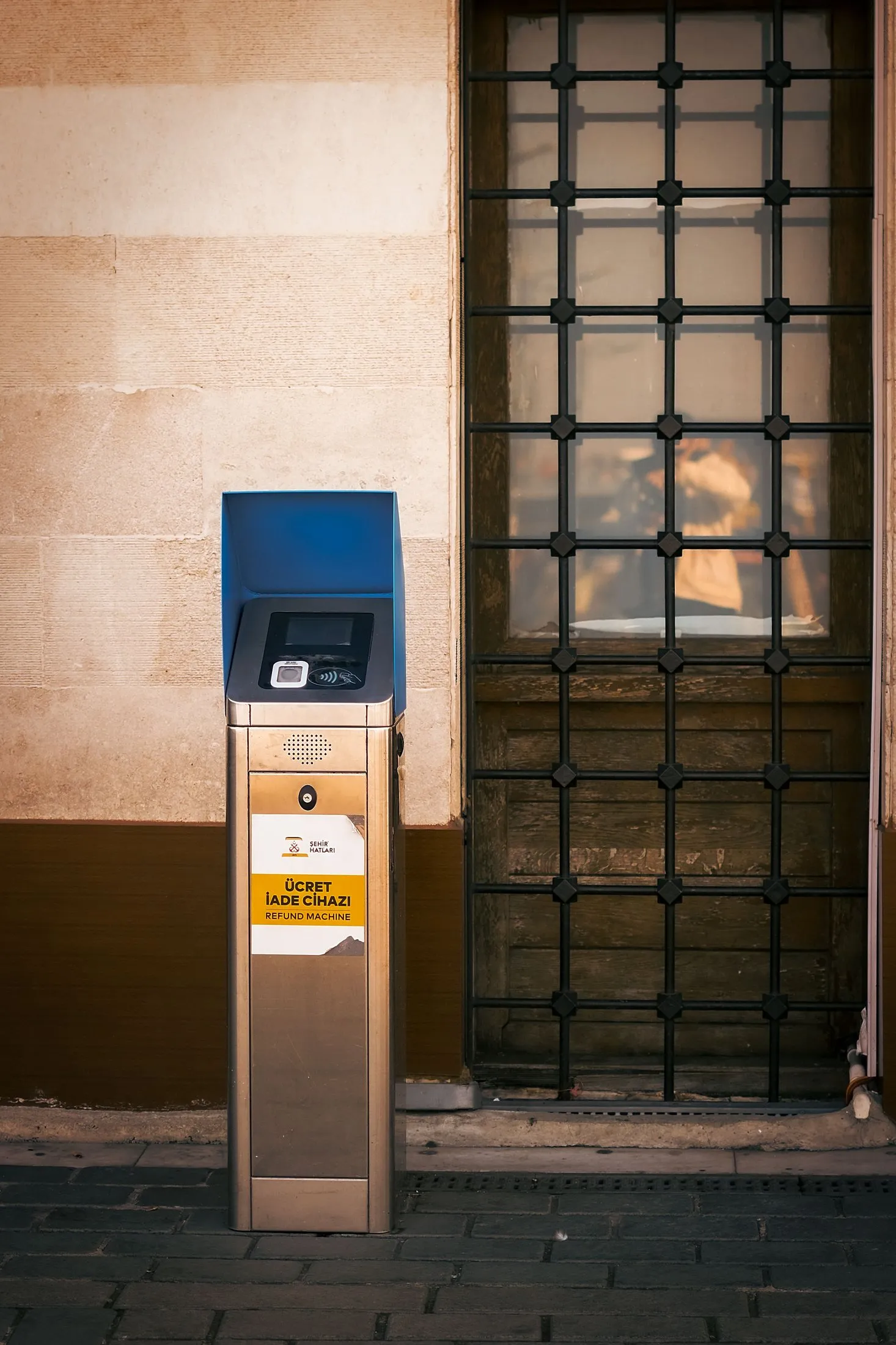
And if you were hoping for a quick stop at a Bitcoin ATM: there is no licensed one in the country. The crypto ATM page explains why the lists you find online are out of date.
Buying property with crypto
Dubai developers and agencies have accepted crypto for years, and the question we hear most from investors is how it works legally. The short answer is that the Dubai Land Department only deals in dirhams. Your USDT or Bitcoin is converted by a licensed provider before it reaches the developer’s escrow account or the trustee office, and the 4% DLD transfer fee (officially 2% buyer + 2% seller, though the buyer often pays all of it) is paid in AED. Agents must file a report for deals paid with virtual assets, so expect detailed questions about where your crypto came from.
The property guide walks through the full purchase, from reservation to title deed, and includes a calculator that turns a property price into the USDT you would need once fees and the conversion spread are included.
Tax: what 0% really means
For a resident investor buying and selling on their own account, there is no tax on crypto gains in the UAE. Corporate tax applies to business activity, and an individual only becomes a taxable person if business turnover passes AED 1 million in a year. Transfers of virtual assets are exempt from VAT. The change to watch is the OECD’s : UAE platforms will collect your tax-residency details and share them with your home country, so expats should check what they owe at home. The tax guide breaks this down with examples.
Keeping your coins safe
An exchange account is convenient, but the platform holds your keys. Once your holdings matter to you, consider : a keeps your offline, and your is the only backup. In the UAE, Ledger and Trezor devices are sold through official resellers such as Virgin Megastores, Sharaf DG and Amazon UAE — buy from those rather than a random marketplace seller. The wallet guide compares hardware and mobile wallets and explains the travel-rule questions you may see when withdrawing.
Coins UAE residents buy most
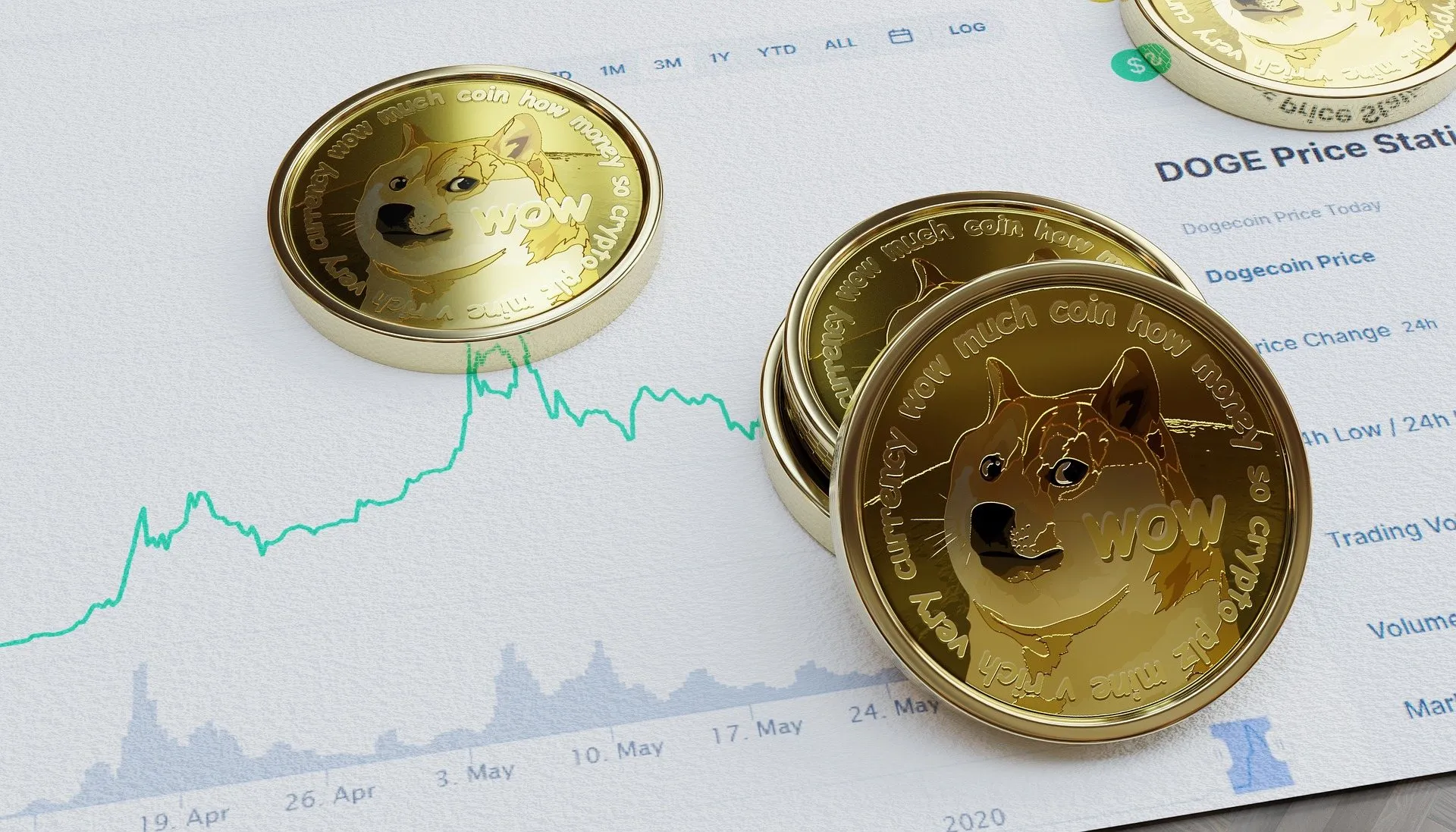
Bitcoin and USDT dominate. USDT matters because it is the working currency of Dubai’s OTC and property market, while Bitcoin is what most long-term investors hold. Ethereum, XRP and Solana are widely available on local apps, and XRP has a local story of its own: the Dubai Land Department’s tokenised title-deed pilot records tokens on the XRP Ledger. Memecoins such as Dogecoin and Shiba Inu are popular but volatile. Pi Coin draws huge search interest, yet we did not find it on any UAE-licensed platform — read the Pi Coin guide before you trust anyone offering to buy it. The coins hub ranks them by availability on licensed platforms.
Staying safe: a short checklist
Most losses in the UAE come from a handful of patterns: “investment groups” on WhatsApp or Telegram, fake exchange apps, P2P buyers who reverse their bank payment, and cash meet-ups with unlicensed dealers. Three habits prevent nearly all of them. Check every platform on the official register before depositing. Never share your seed phrase or remote-access your phone for “support”. And move money only between accounts in your own name. If something does go wrong, the scams guide lists where to report it in Dubai and Abu Dhabi.