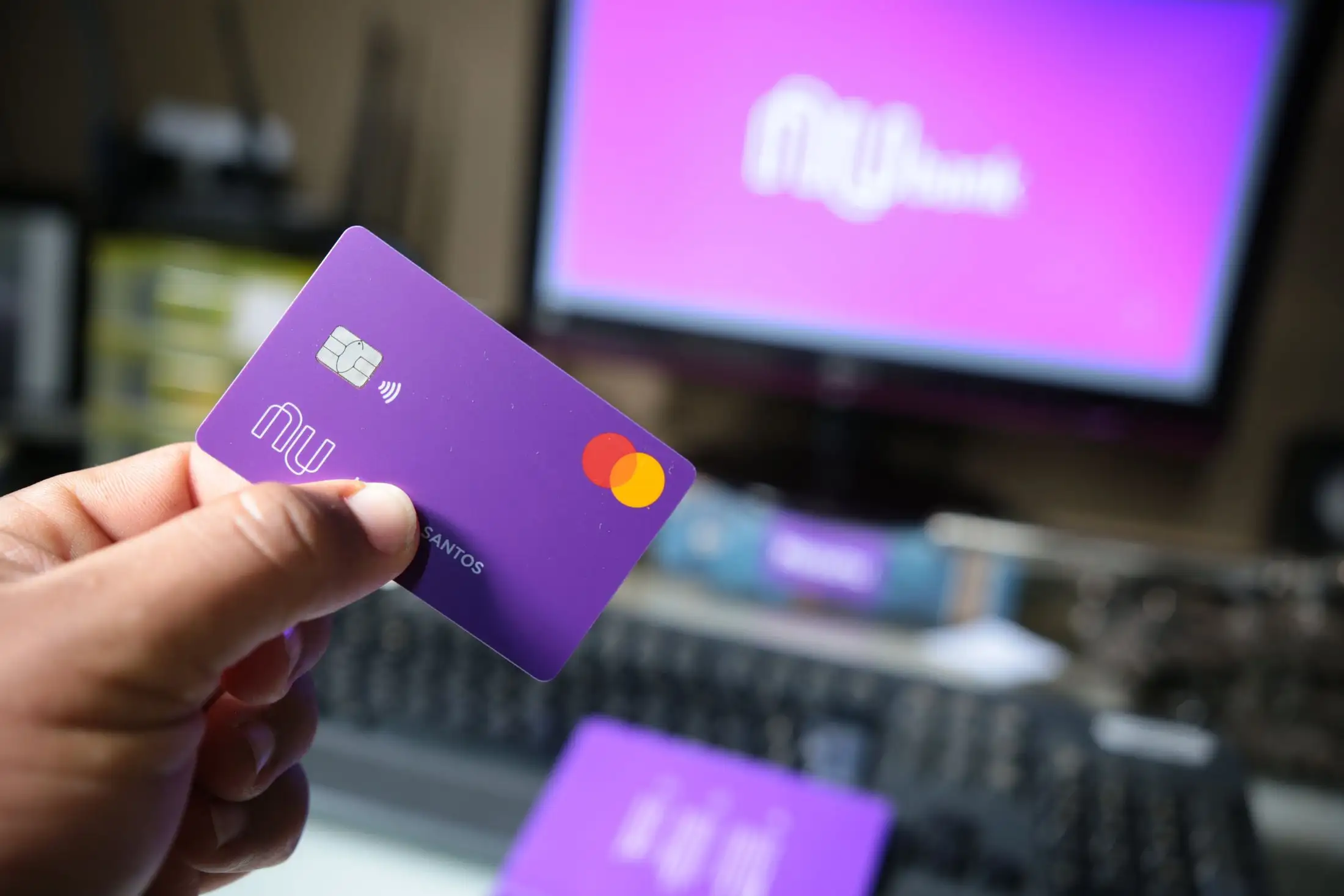
A crypto card is the closest thing to “spending USDT in Dubai” that actually works. You load the card from a crypto balance, tap it at a Carrefour till or a café in JLT, and the shop receives dirhams through Visa or Mastercard exactly as it would from any bank card. The crypto never reaches the merchant. That one detail explains almost everything about how these cards behave in the UAE: why they are allowed to exist, why their fees look the way they do, and why a “crypto payment” in a mall is really a currency conversion you are paying for.
This guide covers the cards UAE residents actually use, the Central Bank rule that shapes the market, and the fees worth checking before you move a single dirham. Availability changes fast and several reports contradict each other, so we say plainly where the picture is unclear. If you are trying to buy crypto with a normal bank card rather than spend it, that is a different problem — see our guide on buying crypto with Apple Pay and cards in the UAE.
What happens when you tap a crypto card in Dubai
Behind the plastic, every crypto debit card follows the same three-step flow. First, you hold a balance — usually a like USDT or USDC — inside the card issuer’s app, which means the issuer has of those funds, not you. Second, when you pay, the issuer sells the required amount of crypto into the card’s base currency, which for most international cards is US dollars. Third, the card network settles with the merchant’s bank in AED, and your card currency is converted to dirhams along the way.
Each step is a place where a cost can appear. The crypto-to-dollar sale may carry a fee or a . The dollar-to-dirham leg usually carries a foreign-exchange fee, even though the dirham is pegged at AED 3.6725 per US dollar. And if the issuer pre-converts your top-up into a fiat balance, you are exposed to whatever rate it used at that moment rather than at checkout.
The practical upshot: a crypto card is a spending tool, not a savings account. It is useful for people paid in stablecoins, freelancers with clients abroad, or anyone who wants a way to use crypto without first doing a full to a UAE bank account. For larger sums, withdrawing to your bank through a licensed exchange is usually cheaper — our guide to withdrawing crypto to a UAE bank account explains that route.
Which crypto debit cards work for UAE residents
The honest answer is: fewer than marketing pages suggest, and the list moves. The card directory DefiLlama counted 13 crypto cards available in the UAE at the time of checking. That number is useful as a ceiling, not a recommendation — an aggregator listing tells you a card claims UAE support, not that onboarding works smoothly with an Emirates ID.
| Card | UAE status at the time of checking | What to verify |
|---|---|---|
| RedotPay | Available; UAE not on restricted lists | KYC acceptance for your nationality |
| Crypto.com Prepaid Mastercard | Documented for select GCC markets; UAE not named | Whether the card option appears for a UAE account |
| Bybit Card | Not available; UAE not on the card region list | Nothing to apply for at present |
RedotPay is the card most often reported in use by UAE residents. Gulf News named it among the cards already being used in the country, and the UAE appears on neither RedotPay’s unsupported-countries list nor its card-issuance restrictions. It offers virtual and physical cards topped up from crypto, and verification happens inside the app.
Crypto.com’s card is where the picture stays unclear. Its GCC card documentation covers a Prepaid Mastercard for “Bahrain & select GCC markets” without naming the UAE, and crypto.com/en-ae/cards redirects to the global site, so older guides calling it a Visa card for the UAE are out of date. Crypto.com itself is fully licensed in Dubai — Foris DAX Middle East FZE holds VARA licence VL/23/10/003 on the VARA public register — but an exchange licence and a card programme are separate products. Treat the card as unconfirmed until the application shows up in your own app.
Bybit Card is simpler: it is not offered here. Bybit’s card FAQ lists the regions where the card is issued, including Argentina, Georgia, Kazakhstan, Australia, Mexico, Brazil and Asia Pacific, and the UAE is not among them, whatever older guides say. Bybit’s UAE licences, a federal one covering the UAE outside Dubai and a VARA spot-exchange licence (VL/26/10/003), cover trading, not cards.
The CBUAE rule on spending USDT — and why cards sit outside it
The Central Bank of the UAE’s Payment Token Services Regulation (PTSR), issued in June 2024, is the rule that shapes this whole market (CMS law-firm summary). Under it, foreign-currency payment tokens such as USDT and USDC cannot be used to pay for goods or services priced in AED. Paying in crypto for AED-priced purchases is meant to go through licensed Dirham Payment Tokens or properly registered issuers. It is not a ban on owning or trading crypto — it restricts using foreign stablecoins as money at the till.
A card fits around this because the merchant never touches a stablecoin. The restaurant accepts a Visa or Mastercard payment and receives dirhams; the conversion from crypto happened earlier, inside the card issuer. That is also why a shop in Dubai Marina that says “we accept USDT” by showing you a wallet address is a different (and legally shaky) situation from a shop that simply takes your card.
For background on who regulates what across Dubai, Abu Dhabi and the federal level, see is crypto legal in the UAE.
Fees to check before you top up
Card fee pages are where the real comparison happens, and most UAE users only discover the costs after the first statement. RedotPay’s help centre, for example, lists an ATM fee on its USD card of 2% up to USD 10,000 a month and 3% above that, plus any ATM-operator charge, an FX fee of 1.2% on transactions in another currency and a crypto conversion fee of 1%. Issuing a card costs USD 10 for a virtual one and USD 100 for a physical one, deducted once from your balance.
| Fee | Where it appears | What to look for |
|---|---|---|
| Conversion / spread | Crypto → card currency | Percentage per swipe or per top-up |
| FX fee | USD card → AED purchase | Usually 1–2% on top of the peg |
| Top-up fee | Loading crypto | Network fee plus any issuer charge |
| ATM fee | Cash withdrawal | Issuer % plus any charge the ATM shows |
| Card issuance | Ordering the card | Virtual vs physical price, delivery to UAE |
A worked example makes the stack visible. Say you spend AED 1,000 at a Dubai Mall store with a USD-denominated card. At the peg that is about USD 272.29. Add a 1% conversion fee and a 1.2% FX fee and you pay roughly AED 22 more than the price tag — around AED 1,022 in total. Do that with AED 8,000 of monthly spending and the card costs you around AED 176 a month, more than many UAE bank accounts charge in a year.
Cash is the most expensive use. An ATM withdrawal can carry the issuer’s percentage, the FX fee, and whatever the UAE ATM owner adds for an international card, which the machine usually displays before you confirm. If you regularly need dirhams in hand, an exchange withdrawal to your own bank account followed by a normal debit card is almost always cheaper.
KYC: what issuers ask UAE residents for
Every card worth using requires . Expect to upload a passport or Emirates ID, take a live selfie, and confirm a residential address in the UAE. Some issuers also ask about the source of your crypto once balances grow, which is standard anti-money-laundering practice rather than a red flag. RedotPay’s help centre notes that identity verification is not supported for every nationality, so check the list before paying for a physical card.
Three practical points. Use the same name spelling as on your Emirates ID across the card app and any exchange you top up from, because mismatches are a common cause of frozen top-ups. Keep a delivery address where someone can receive a courier, since physical cards often ship internationally. And never share verification documents with “agents” who offer to get you a card faster — that is a well-worn identity-theft route covered in our crypto scams guide.
What happens at the merchant: declines, holds and refunds
At the till, a crypto card behaves like any foreign-issued debit card, and that is both its strength and its weakness. Most UAE merchants never know crypto was involved. But you may see the occasional decline at fuel stations, hotels or car-rental desks that place pre-authorisation holds, because the hold amount has to be available in your card balance — and some issuers convert the full hold from crypto.
Refunds are the other quirk. A refund comes back as fiat to the card balance, not as the crypto you originally spent, and it may arrive at a different FX rate. If you returned a AED 2,000 phone, do not expect exactly the same USDT back. Keep receipts, and for large purchases consider using a normal UAE bank card instead.
Online merchants sometimes block cards with non-UAE BINs for fraud reasons. If a Noon or airline checkout keeps failing, it is usually the issuer’s country, not the crypto, that the merchant’s fraud system dislikes.
Paying for Emirates flights with Crypto.com Pay
One development worth knowing about is not a card at all. Since 28 July 2026, Emirates has let eligible UAE residents pay for bookings priced and settled in AED with Crypto.com Pay on emirates.com and the Emirates app: you approve the payment in the Crypto.com app, Crypto.com handles the conversion, and Emirates settles in dirhams without holding crypto. Press coverage ties the service to Crypto.com’s Stored Value Facility licence from the CBUAE (reference 05.01.01.019.2026.02, as listed on Crypto.com’s UAE page).
This is exactly the model the PTSR points towards: a UAE-licensed provider converts crypto and the merchant is paid in AED. Eligibility is limited to UAE residents on AED bookings and may change, so check the payment options at Emirates checkout rather than assuming they appear for every fare.
Related guide Buy USDT in DubaiHow we would use a crypto card in the UAE
A sensible setup for most residents looks like this. Keep the bulk of your crypto either on a VARA-licensed exchange or in your own wallet (our crypto wallet guide explains the trade-off), and move only a month’s spending onto the card. Top up in USDT or USDC rather than volatile coins, so a market drop doesn’t shrink your grocery budget overnight. And use the card for what it is good at — paying abroad, online subscriptions, or spending stablecoin income — rather than for rent or large purchases that a bank transfer handles cheaply.
If you don’t hold crypto yet and want stablecoins to load a card, our USDT guide covers buying with AED. Prices move, and card issuers can freeze or close programmes with little notice, so never keep more on a card balance than you could afford to have stuck for a few weeks. Crypto assets can lose value in part or in full.